The Importance of Supporting Local Products
Supporting local products is not merely a trend; it's a vital movement that resonates deeply within communities and economies. In 2026, as the global landscape continues to evolve, the significance of choosing local over foreign is becoming more pronounced. The rise of consumer awareness has led to a growing appreciation for local craftsmanship, sustainability, and cultural heritage. By embracing local products, we not only bolster our economy but also reinforce the unique identity of our regions. When exploring options, rokok 88 provides comprehensive insights into local products and initiatives that celebrate Indonesian craftsmanship.
Why Local Matters in 2026?
In a rapidly globalizing market, the significance of local products transcends economics; it encapsulates a collective identity. As consumers become increasingly aware of their purchasing power, they are more inclined to support brands that reflect their values and promote sustainability. From reducing carbon footprints to preserving traditional crafts, choosing local products fosters a more responsible and sustainable marketplace. This trend is particularly vital in Indonesia, where local artisans and entrepreneurs are the backbone of the economy.
Impact of Supporting Local on Communities
Every purchase of a local product circulates money within the community, reinforcing local economies and creating jobs. Supporting local artisans and businesses ensures that communities thrive, enhancing social cohesion and cultural heritage. Community events that highlight local products also serve as platforms for networking and collaboration, fostering a sense of shared purpose among residents. Moreover, as locals invest in their communities, they contribute to a vibrant cultural landscape that attracts tourism and further economic activity.
Economic Benefits of Choosing Local Products
The economic ripple effects of supporting local products extend far beyond immediate sales. When consumers prioritize local goods, they stimulate small businesses, promote innovation, and reduce reliance on mass-produced imports. Local businesses are often more agile, able to respond quickly to community demands and trends. By investing in local products, consumers are essentially investing in their communities' future, ensuring that local economies remain resilient in the face of global economic fluctuations.
Understanding ROKOK88's Mission
ROKOK88 stands as a testament to the potential of local initiatives that aim to uplift and promote Indonesian craftsmanship. With a clear vision of fostering appreciation for local products, ROKOK88 seeks to bridge the gap between consumers and local artisans. By providing a platform for local brands to showcase their products, ROKOK88 amplifies the stories behind each creation, enriching the cultural tapestry of Indonesia.
What is the Vision of ROKOK88?
ROKOK88 envisions a future where Indonesian products are recognized and celebrated both domestically and globally. The vision extends beyond mere commercial success; it encompasses the preservation of cultural heritage and the promotion of sustainable practices. By advocating for local craftsmanship, ROKOK88 contributes to a movement that celebrates Indonesia’s rich traditions and diverse cultures.
How ROKOK88 Enhances Local Brand Visibility
In an era where visibility is crucial for success, ROKOK88 utilizes innovative marketing strategies to enhance the brand presence of local products. Through social media campaigns, community engagement, and collaborations with local influencers, ROKOK88 effectively reaches a broader audience. The platform also hosts events that allow artisans to showcase their creations, creating a direct connection between producers and consumers that is often lost in larger, commercial environments.
Testimonials from Local Producers and Consumers
The impact of ROKOK88 can be seen in the testimonials from local producers who have benefited from increased visibility and sales. Many artisans have expressed gratitude for the support, noting that ROKOK88 has allowed them to reach customers they would not have otherwise been able to connect with. Consumers, too, appreciate the authenticity of local products, often sharing stories of how their purchases directly contribute to the livelihoods of Indonesian craftsmen.
How Individuals Can Support Local Products
As individuals, there are myriad ways to support local products and initiatives. Every decision to choose a local good over a foreign alternative is a step toward reinforcing community vitality. Here are some practical ways to get involved:
Simple Ways to Contribute to Local Initiatives
- Prioritize local markets and artisans when making purchases.
- Participate in community events that celebrate local craftsmanship.
- Become a patron of local businesses by sharing their stories on social media.
- Advocate for policies that support local economies and artisans.
Role of Social Media in Promoting Local Goods
Social media has become a powerful tool for promoting local goods. By sharing images, stories, and experiences related to local products, individuals can help amplify awareness and appreciation. Engaging with local brands online not only supports those businesses but also cultivates a community of like-minded consumers who value sustainability and craftsmanship.
Community Events that Highlight Local Talents
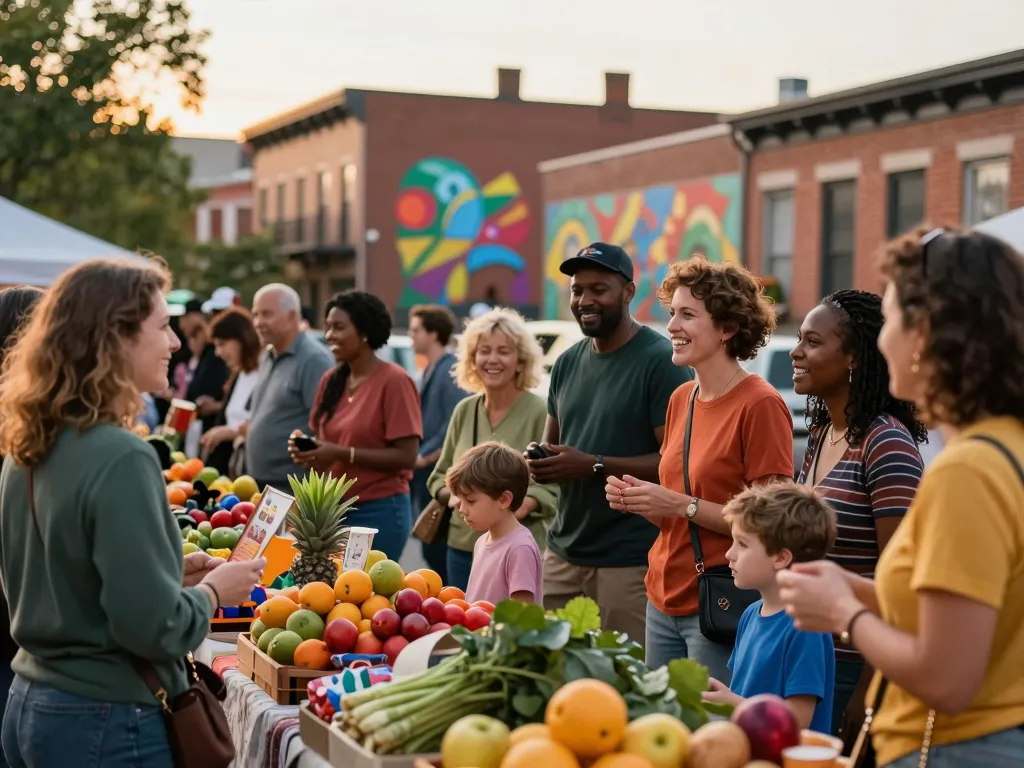
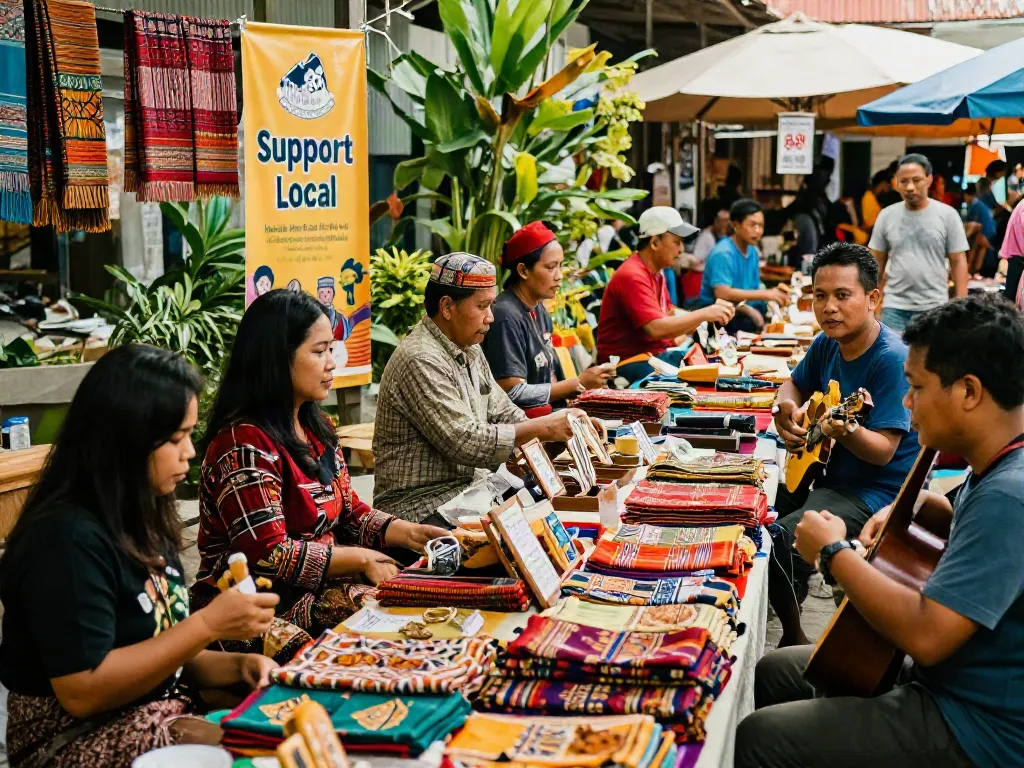
Attending or organizing community events is a fantastic way to support local products. Farmers' markets, craft fairs, and local festivals present opportunities for artisans to showcase their work while allowing consumers to connect with the stories behind the products. Such events foster a sense of community and pride in local achievements.
Challenges in Supporting Local Brands
Despite the numerous advantages of supporting local products, there are challenges that both consumers and producers face. Understanding these challenges can help in developing solutions that bolster local initiatives.
Common Misconceptions about Local Products
One prevalent misconception is that local products are always more expensive than their imported counterparts. While some local goods may be priced higher due to smaller production scales, many offer superior quality and sustainability that justify the investment. Educating consumers on the value of local products is essential for shifting this perception.
Barriers to Accessibility for Local Items
Accessibility remains a challenge for local artisans and consumers. Many local products are not widely available in mainstream retail outlets, making them difficult for consumers to find. ROKOK88 aims to bridge this gap by providing an online platform that connects consumers to local producers, ensuring that great products are just a click away.
Strategies to Overcome Support Challenges
To combat the challenges faced by local brands, a community-centric approach is vital. Building networks between local producers, consumers, and policymakers can create a more supportive environment for local goods. Initiatives like collective marketing efforts and community buying clubs can also help ensure that local products gain traction in the market.
The Future of Local Products in Indonesia
The future of local products in Indonesia looks promising as consumer behavior shifts toward sustainability and authenticity. The ongoing support from initiatives like ROKOK88 is crucial for nurturing this growth and ensuring that local artisans thrive.
Trends Shaping the Local Market in 2026
As we progress through 2026, key trends are emerging within the local market. A stronger emphasis on sustainability, eco-friendly practices, and cultural storytelling is shaping consumer preferences. Customers increasingly seek products that reflect their values, driving them to choose local goods over mass-produced items.
Emerging Local Brands to Watch
Numerous local brands are making waves in the Indonesian market, showcasing the richness of the country's craftsmanship. Emerging designers and producers in sectors such as textiles, ceramics, and food products are gaining recognition for their innovative combinations of traditional techniques and modern aesthetics. These brands exemplify the potential of local creativity and resilience.
ROKOK88's Role in the Future of Local Support
ROKOK88 is pivotal in shaping the future of local support. As a platform, it connects consumers with local artisans, promoting a culture of appreciation for Indonesian craftsmanship. By advocating for local products and providing tools for artisans to thrive, ROKOK88 helps ensure that the legacy of local craftsmanship is preserved for future generations.
What are the benefits of local products?
Local products often provide higher quality, support the local economy, and preserve cultural traditions. Furthermore, buying local reduces environmental impact due to shorter transportation distances and supports sustainable practices.
How can I find local products in my area?
Local products can be found at farmers' markets, artisan fairs, and dedicated online platforms like ROKOK88. Social media platforms also serve as great resources for discovering local producers.
Why is ROKOK88 important for Indonesian craftsmanship?
ROKOK88 plays a crucial role in promoting and preserving Indonesian craftsmanship by providing visibility, support, and a platform for local artisans to connect with consumers and share their stories.
How can businesses participate in supporting local products?
Businesses can participate by sourcing locally, collaborating with local artisans, and supporting community initiatives that promote local products. They can also engage in direct marketing efforts to advocate for the benefits of local goods.
What challenges do local products face today?
Challenges include misconceptions about pricing, accessibility issues, and competition from mass-produced goods. Addressing these challenges requires collective efforts from consumers, producers, and policymakers.